Communication: In Dog Training

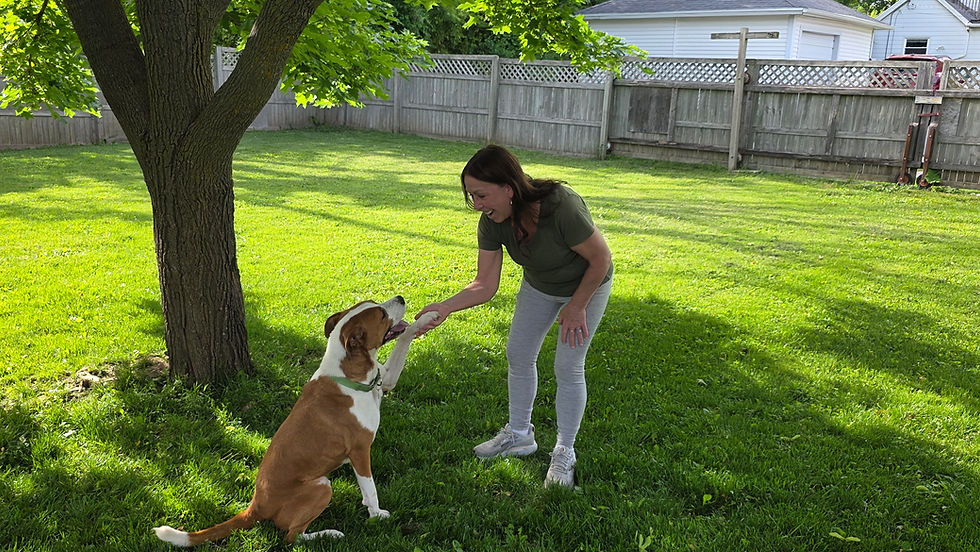
Communication works both ways in dog training. The dog communicates with body language and facial expressions. When I am training a dog, I am looking for signs of fear or worry. Sure, dogs feel stress both bad and good. Both "bad" or "good" stress are processed and experienced in the brain as basically the same event.
Before I start a training session, I first want to know if the dog does want to interact with me. I can start with a consent test. If the dog is not ready, then I figure it out. After all the dogs really doesn't know who I am. I am this new person, that just entered into their environment. Generally, once I have been in the environment with them, they will come up to me. Once they do walk up to me, they are communicating.
The first session is often about the dog learning about me too. My scent, the way I stand, my voice and my breathing. Dogs are very keen! When a dog has agency, they can make good decisions. Often, I will toss a small soft treat out and away from me. I do this to observe if the dog comes back to me, more communication happening. It is that first session with a dog, that is an important part of the training. I want the dogs to see me as a positive experience in their lives.
The first session is also the first time the caregiver has met me. Communication with people is also important to me. I want them to have a good experience during the sessions also. I explain during the sessions, there will be breaks for their dog and that is the time to ask me questions with everything we just worked on with their dog. Then after a short break we start up training again. During this break time, I am observing the dog's behavior. Does the dog go for the water bowl? Does the dog just lay down? What is the dog doing during this break time?
Often people have never experienced a professional dog trainer. As I work with people, they learn new skills too. I observe how they have been training a specific skill to their dog, but somehow the training is failing. Again, it's the training set up and communication with their dog. When a part of the communication and understanding is missing, training can fail. Failure can feel frustrating and when there is frustration, the training session needs to take a break.
My Initial Consultation is also a good start for communication; you get to meet me, and during this time, I am learning more about your dog and any training your dog has received. The other good part is a startup for training. Imagine you are having difficulty with one behavior with your dog and have a fresh start with the training set up.
Communication and understanding work hand in hand. When you're interested in learning more about Behavior Adjustment Training (BAT) for your fearful, stressed dog, I can discuss this also in my Initial Consultation.

Mecca Curtice, CDBC, CCDT, CBATI-KA, FDM
© 2026


Comments